


1. Introduction
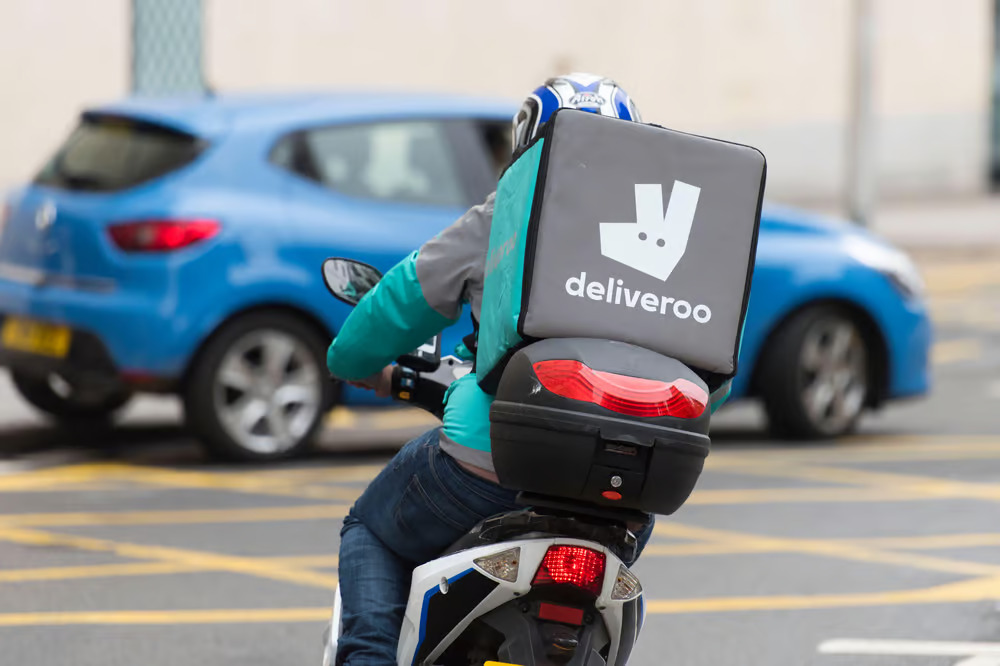
In a landmark move reshaping the global food delivery landscape, U.S.-based DoorDash has agreed to acquire British rival Deliveroo for £2.9 billion ($3.9 billion) in an all-cash deal. Announced on May 6, 2025, this acquisition signifies a significant consolidation within the industry, aiming to bolster DoorDash’s international presence and competitiveness.
2. Background of the Companies
DoorDash: Founded in 2013 in San Francisco, DoorDash has rapidly grown to become the largest food delivery company in the United States. With operations spanning over 30 countries, the company has been expanding its global footprint through strategic acquisitions, including the $8.1 billion purchase of Finnish delivery firm Wolt in 2021. Wikipedia – Die freie Enzyklopädie
Deliveroo: Established in London in 2013 by Will Shu and Greg Orlowski, Deliveroo operates in nine countries, including the UK, Ireland, France, and Singapore. Despite a challenging IPO in 2021, where its valuation plummeted from £7.6 billion, Deliveroo achieved its first annual pre-tax profit of £12 million in 2024 on revenues of £2.1 billion. The Guardian
3. Details of the Acquisition
DoorDash will acquire Deliveroo at 180 pence per share, representing a 29% premium over Deliveroo’s share price prior to the offer. The deal is structured as a scheme of arrangement under English law, requiring approval from at least 75% of Deliveroo shareholders. Notably, Amazon, Deliveroo’s largest shareholder, has yet to publicly state its position on the acquisition. Reuters
The acquisition is expected to proceed without significant regulatory hurdles, given the minimal geographic overlap between the two companies’ operations. Financial Times
4. Strategic Rationale
This acquisition aligns with DoorDash’s strategy to expand its global presence and diversify its market reach. By integrating Deliveroo’s established operations in Europe, Asia, and the Middle East, DoorDash aims to enhance its competitive edge against rivals like Uber Eats and Just Eat Takeaway.com. The combined entity will operate in over 40 countries, serving a population exceeding one billion. Bloomberg+3AP News+3Investopedia+3Bloomberg+2Investopedia+2AP News+2
Additionally, DoorDash’s simultaneous $1.2 billion acquisition of restaurant booking platform SevenRooms indicates a broader ambition to offer comprehensive services to restaurants, from reservations to delivery logistics. Wikipedia+5Wikipedia+5Financial Times+5
5. Financial Implications
The £2.9 billion deal provides a substantial return for Deliveroo stakeholders. Co-founder Will Shu, holding a 6.4% stake, stands to receive approximately £172 million. Moreover, current and former employees owning 36.5 million shares will collectively receive around £65.7 million. Financial Times+4The Guardian+4Reuters+4
Despite the strategic benefits, DoorDash’s stock experienced a decline of over 9% following the announcement, reflecting investor concerns over the acquisition’s cost and integration challenges. Financial Times
6. Industry Impact
The DoorDash-Deliveroo merger marks a significant consolidation in the food delivery sector, intensifying competition among global players. This move is expected to prompt further mergers and acquisitions as companies seek to achieve scale and operational efficiencies in a market characterized by thin margins and high customer acquisition costs.Reuters+2AP News+2Financial Times+2
For consumers, the consolidation may lead to improved service offerings and technological innovations. However, it could also result in reduced competition in certain markets, potentially impacting pricing and service quality.
7. Future Outlook
The successful integration of Deliveroo into DoorDash’s operations will be critical in realizing the anticipated synergies and market expansion goals. Key areas of focus will include harmonizing technology platforms, aligning corporate cultures, and navigating regulatory landscapes across diverse markets.
As the food delivery industry continues to evolve, the combined entity’s ability to innovate and adapt to changing consumer preferences will determine its long-term success.


Leave a Reply