


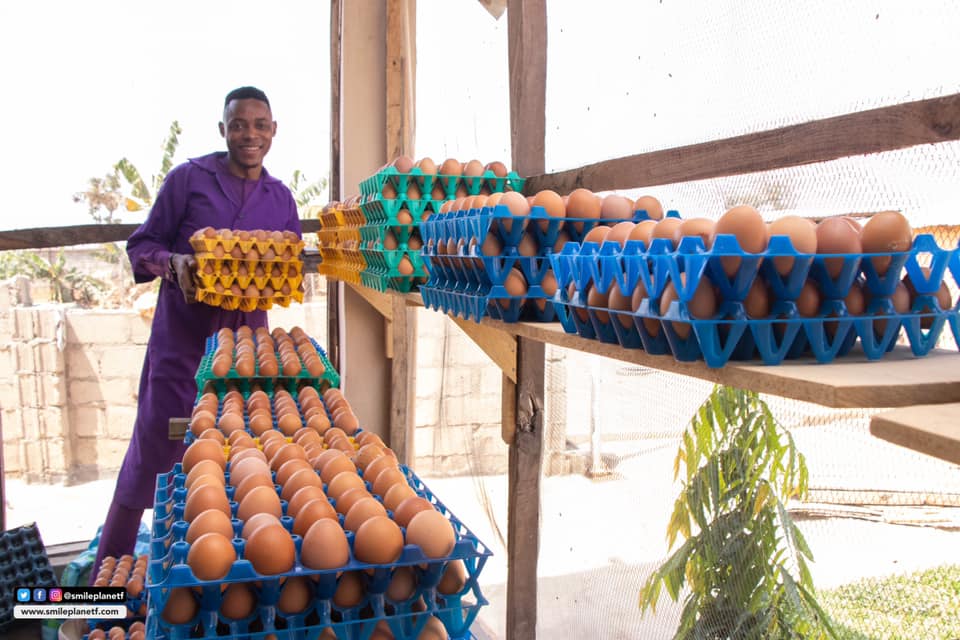
Small-Scale Poultry Egg Supply Business in Nigeria
Small-scale poultry egg supply is one of the most profitable and sustainable agribusiness opportunities in Nigeria. With eggs being a daily food item in homes, bakeries, restaurants, and hotels, demand remains high all year round. Unlike large poultry farms that require heavy capital, a small-scale egg supply business allows entrepreneurs to start with limited resources and scale steadily.

Nigeria’s growing population, rising food consumption, and increasing awareness of protein-rich diets make egg supply a reliable income source. This business focuses on raising layers for egg production and supplying fresh eggs to retailers, markets, food vendors, and households.
Why the Egg Supply Business Is Profitable in Nigeria
Eggs are affordable, widely consumed, and used across different food sectors. From homes and roadside vendors to supermarkets and bakeries, eggs sell quickly with minimal storage issues. Compared to broiler farming, egg production offers continuous income since layers produce eggs almost daily.
Another advantage is fast market access. You do not need complex branding before selling eggs. Once your eggs are clean, fresh, and well-packaged, buyers are always available.
How Small-Scale Egg Supply Works
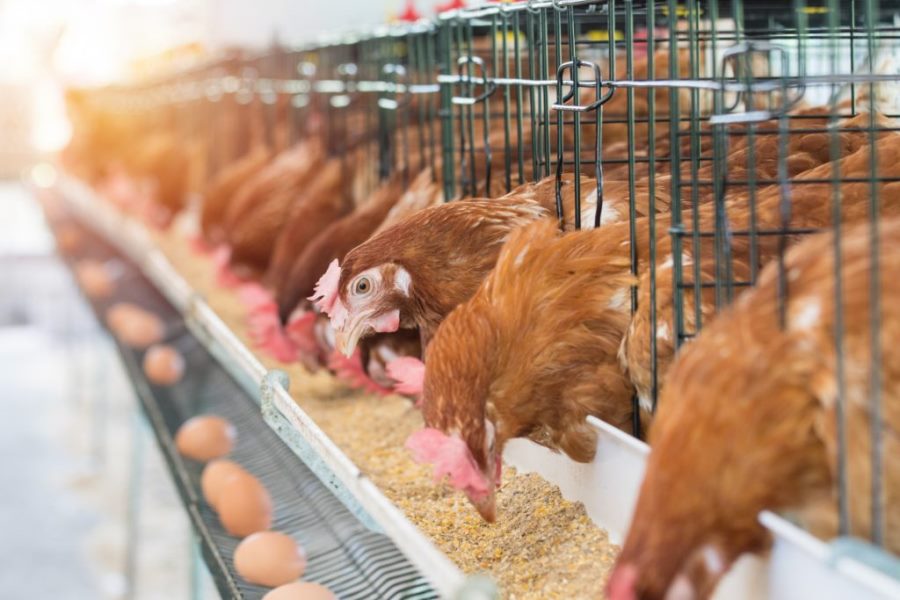
The business starts with purchasing day-old or point-of-lay chicks and raising them to maturity. Layers begin producing eggs between 18 and 22 weeks. Once production starts, eggs are collected daily, sorted, packaged, and supplied to customers.
Small-scale poultry farmers usually operate with 100 to 1,000 birds, which is manageable and cost-effective. With proper feeding, hygiene, and vaccination, egg yield remains consistent.
Startup Requirements
To start a small-scale poultry egg supply business, you need a simple poultry housing structure, healthy layer birds, quality feed, clean water, and basic farm equipment. Good farm management is essential to reduce mortality and increase egg production.
You also need reliable buyers such as local shops, food vendors, caterers, hotels, and market traders. Many farmers build steady income by supplying eggs weekly or daily to repeat customers.
Profit Potential and Market Demand
Egg supply has a steady cash flow. Eggs are sold per crate, and prices often increase during festive seasons and periods of scarcity. Feed costs are the major expense, but efficient feeding and bulk supply agreements help improve profit margins.
As production grows, farmers can expand into supplying larger markets, supermarkets, schools, and bakeries. Some also diversify into selling poultry manure to crop farmers for additional income.
Challenges and How to Manage Them
Common challenges include feed price fluctuations, disease outbreaks, and heat stress. These can be managed through proper vaccination, good ventilation, clean water, and sourcing feed from reliable suppliers.
Record-keeping is also important to track expenses, egg output, and profits. Farmers who manage costs well often recover their startup investment within a short period.
Final Thoughts
Small-scale poultry egg supply is a practical business for beginners, students, and entrepreneurs looking for steady income in Nigeria. It does not require massive capital and offers daily or weekly cash flow when managed properly. With rising food demand and consistent egg consumption, this business remains one of the safest agribusiness options to start and grow.
GET A COMPLETE POULTY EGG SUPPLY BUSINESS IDEA PACKAGE
IDEA PACKAGE
CALL / WHATSAPP: +2347062940253, +2349079361531









Leave a Reply