Introduction
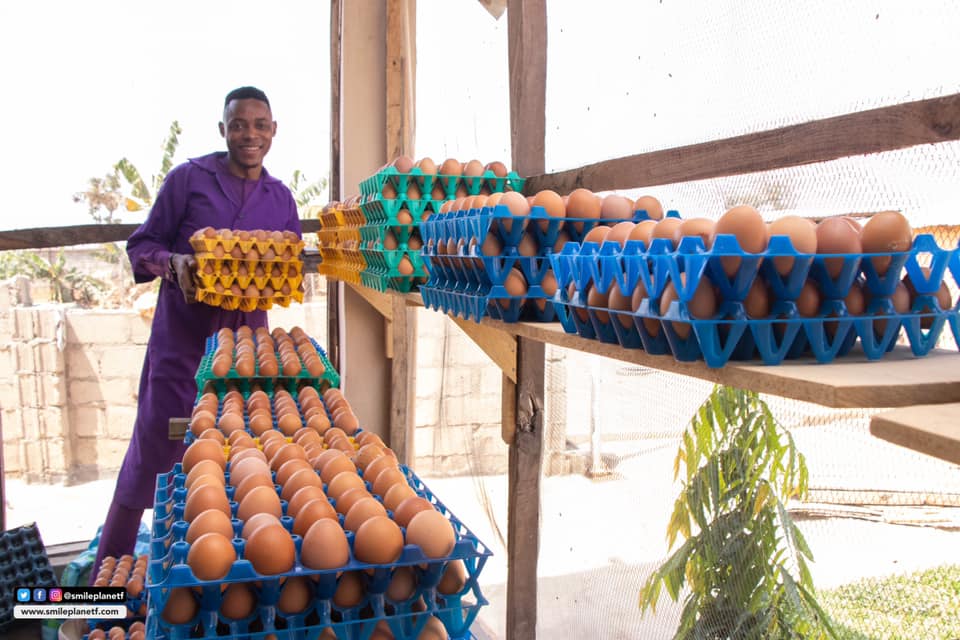
Poultry farming remains one of the most profitable and fast-growing agricultural businesses in Nigeria. With the rising demand for eggs and chicken meat across homes, hotels, restaurants, and markets, entrepreneurs can build a sustainable business that provides both steady income and employment opportunities.
Why Poultry Farming is Profitable in Nigeria
The demand for affordable protein sources continues to grow, and poultry products are a major part of Nigerians’ daily diet. Eggs are consumed in almost every household, while chicken meat is a popular choice at events and eateries. Poultry farming also has a relatively quick turnover, making it attractive for both small and large investors.
Steps to Start a Poultry Farming Business in Nigeria
1. Develop a Business Plan
A clear business plan will guide your operations, covering costs, production targets, marketing, and growth strategies.
2. Choose the Right Poultry Type
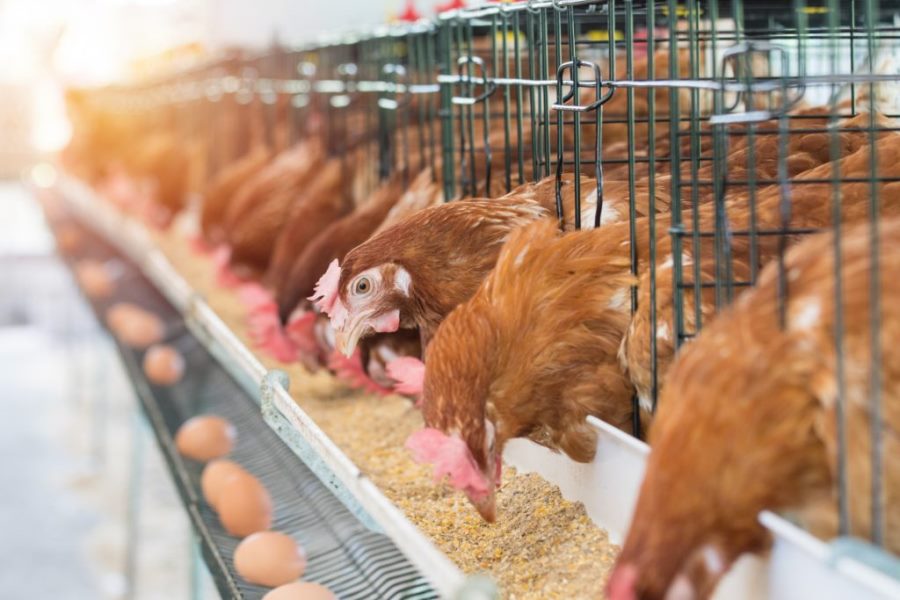
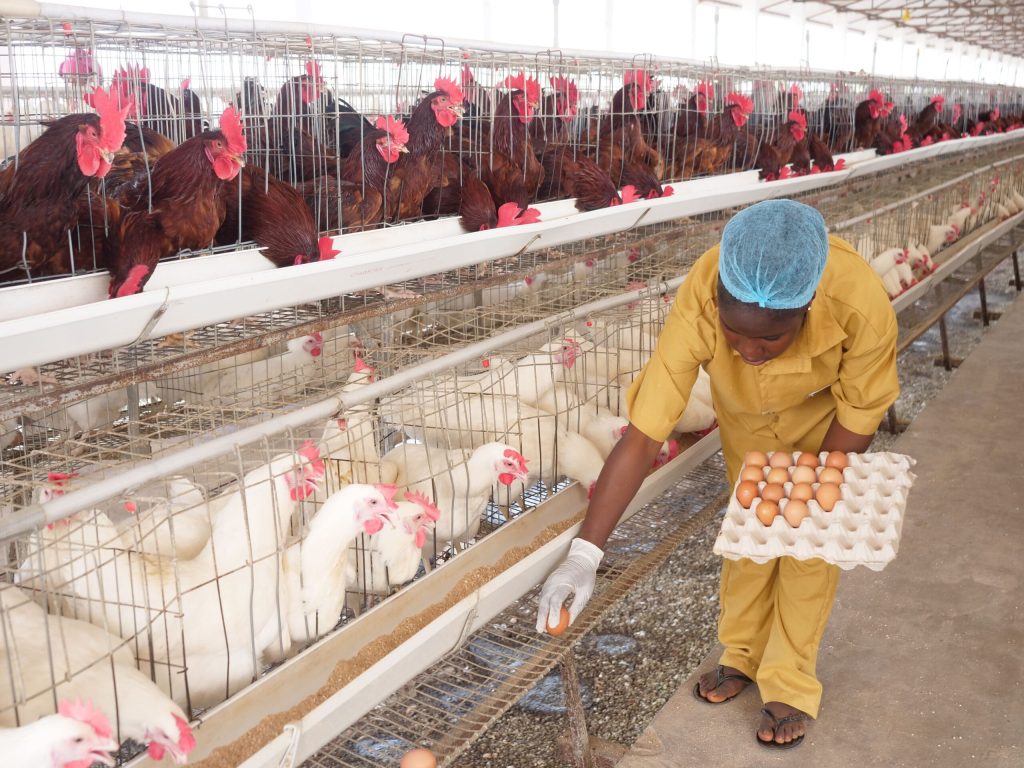
Decide whether you want to focus on broilers for meat, layers for eggs, or a mix of both. Layers are ideal for long-term egg production, while broilers offer quicker returns within weeks.
3. Secure Land and Build Housing
Choose a well-ventilated and secure location. The poultry house should be designed to protect birds from harsh weather and predators while ensuring proper airflow and cleanliness.
4. Purchase Quality Chicks and Feed
Source day-old chicks from reputable hatcheries. Use quality feed and supplements to promote healthy growth and maximize productivity.
5. Maintain Proper Hygiene and Vaccination
Poultry farming requires strict hygiene to prevent disease outbreaks. Regular cleaning, vaccination, and veterinary checks are essential for healthy birds.
6. Market Your Products
Sell eggs and chicken to households, restaurants, supermarkets, caterers, and retailers. Building relationships with consistent buyers ensures regular sales. Social media and word-of-mouth can also help boost visibility.
Challenges in Poultry Farming
Some challenges include high feed costs, disease outbreaks, and inadequate power supply. However, with proper management, vaccination, and planning, these risks can be minimized to ensure profitability.
Conclusion
Poultry farming offers one of the best opportunities to build a sustainable and lucrative agribusiness in Nigeria. With careful planning, quality inputs, and effective marketing, entrepreneurs can grow from small-scale farmers to major suppliers in a relatively short time.
Are you interested in Poulty Business with Small Capital?
GET A COMPLETE POULTY BUSINESS
IDEA PACKAGE
CALL / WHATSAPP: +2347062940253, +2349079361531