


Introduction
With Nigeria’s population exceeding 200 million and urban areas generating thousands of tons of waste daily, the need for effective waste management solutions is urgent. As environmental awareness grows, opportunities in waste collection, recycling, and upcycling are expanding. Entrepreneurs can tap into this fast-rising green economy, not only making profits but also contributing to a cleaner environment.
Why Waste Management is a Profitable Venture in Nigeria
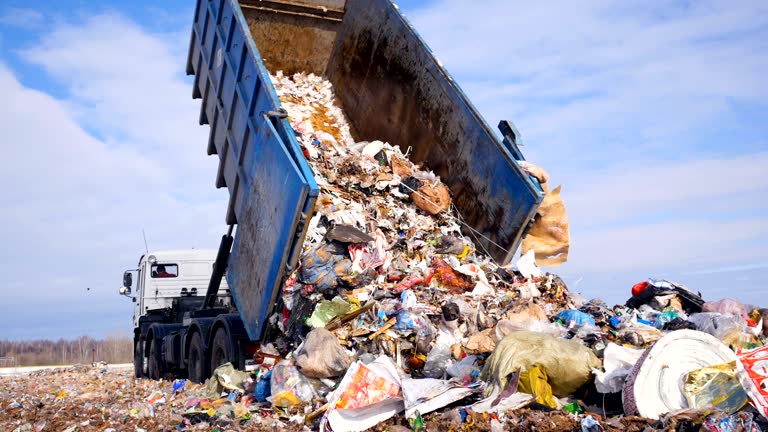
The waste management industry is no longer just a public service; it is now a viable business opportunity. Nigeria’s recycling sector is estimated to be worth billions of naira annually. The lack of adequate infrastructure in many cities creates a market gap for private operators to step in, providing waste collection, sorting, and conversion services.
Business Opportunities in Waste Management, Recycling, and Upcycling
1. Waste Collection and Sorting
Offer door-to-door waste collection services for households, businesses, and institutions. Separate recyclable materials such as plastics, metals, glass, and paper for resale to recycling companies.
2. Plastic Recycling Business
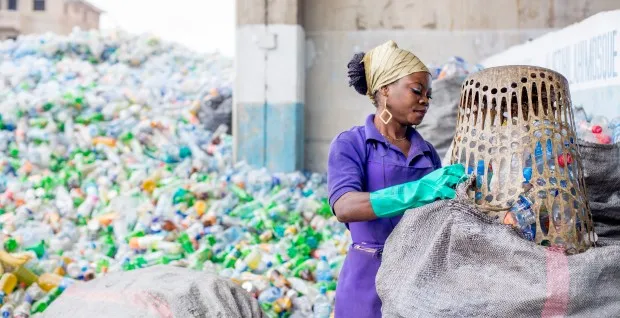
Plastic waste is one of Nigeria’s biggest environmental challenges. Entrepreneurs can set up recycling plants to process PET bottles, nylons, and other plastic waste into reusable raw materials for manufacturing.
3. E-Waste Recycling
Electronic waste, such as old phones, computers, and appliances, is growing rapidly. Specialized recycling of e-waste can recover valuable materials like copper, aluminum, and gold.
4. Organic Waste Composting
Turn organic waste from markets, restaurants, and homes into compost or organic fertilizer for farmers and gardeners. This supports sustainable agriculture and reduces landfill waste.
5. Upcycling Craft and Furniture
Upcycling involves creatively reusing waste materials to make new products of higher value. Items such as old tires can be turned into furniture, or discarded wood can be transformed into home décor.
Steps to Start a Waste Management and Recycling Business in Nigeria
1. Conduct Market Research
Identify your target customers, understand waste generation patterns in your area, and research available recycling facilities.
2. Develop a Business Plan
Outline your business model, capital requirements, operational costs, and revenue projections.
3. Register Your Business
Register with the Corporate Affairs Commission (CAC) and obtain relevant environmental permits from government agencies like NESREA and state environmental protection bodies.
4. Secure Equipment and Facilities
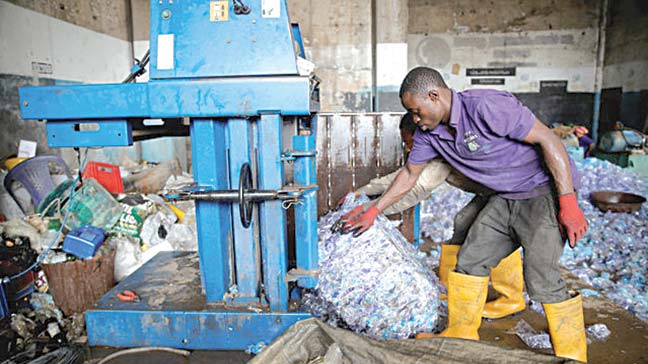
Invest in trucks, sorting machines, safety gear, and storage spaces depending on your scale of operation.
5. Build Partnerships
Partner with local governments, recycling plants, NGOs, and community groups to expand collection networks and gain credibility.
6. Market Your Services
Promote your waste management solutions through social media, flyers, community awareness campaigns, and partnerships with corporate organizations seeking eco-friendly waste disposal.
Challenges to Expect
- Inconsistent government policies
- Poor waste segregation culture
- High initial capital for processing facilities
- Inadequate recycling infrastructure in rural areas
Conclusion
The waste management, recycling, and upcycling industry in Nigeria holds enormous potential for profit and environmental impact. Entrepreneurs who adopt innovative strategies, leverage technology, and educate communities can build sustainable businesses while contributing to a cleaner, greener future.
If you’re looking for a low-risk, high-demand business in Nigeria today, this is a great place to start.
Are you interested in Recycling Business with Small Capital?
GET A COMPLETE RECYCLING & UPCYCLING BUSINESS IDEA PACKAGE
CALL / WHATSAPP: +2347062940253, +2349079361531






Leave a Reply