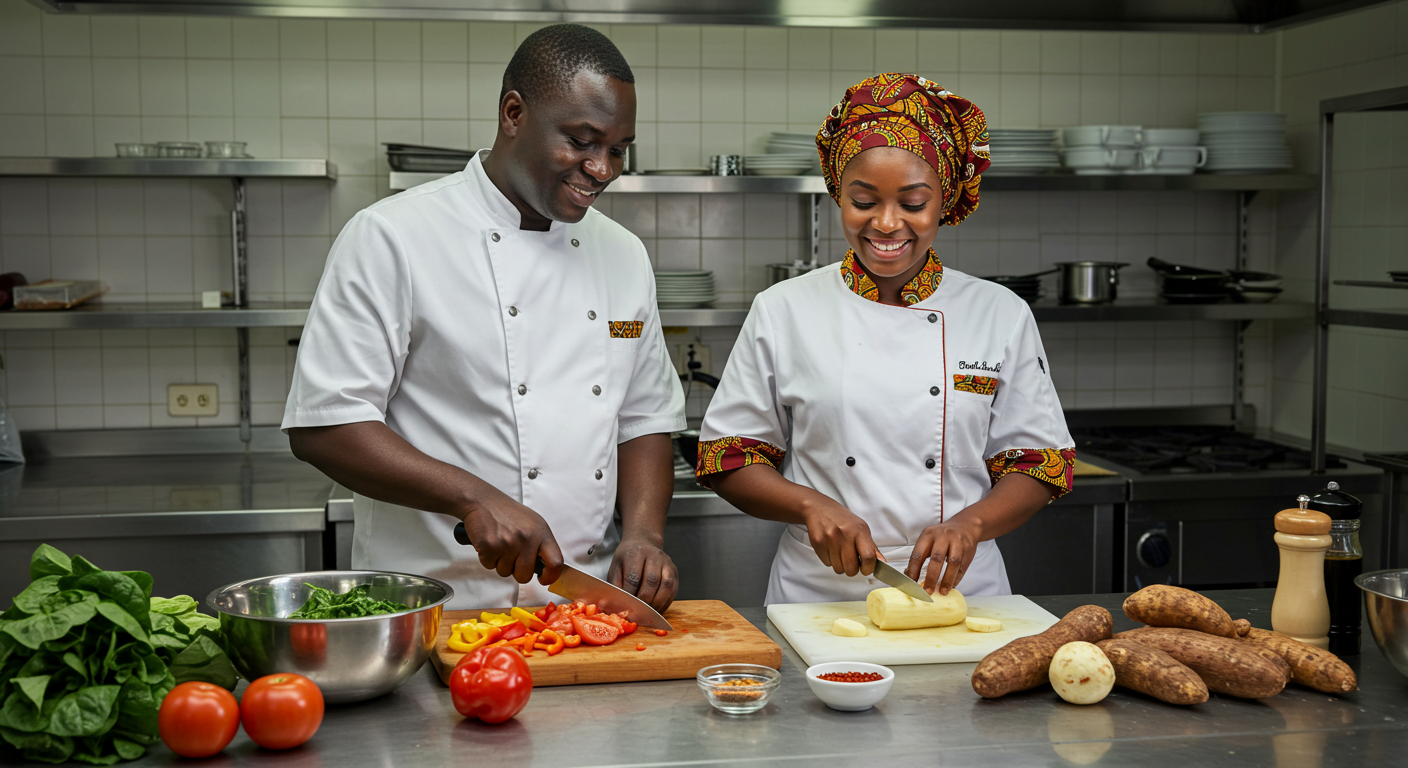
With increasing food delivery demand and limited access to quality meals in many Nigerian cities, ghost kitchens, also known as virtual kitchens or cloud kitchens, are rapidly becoming a practical and profitable business model. These delivery-only restaurants allow entrepreneurs to operate food businesses without expensive dine-in spaces, reaching customers through apps and social media.
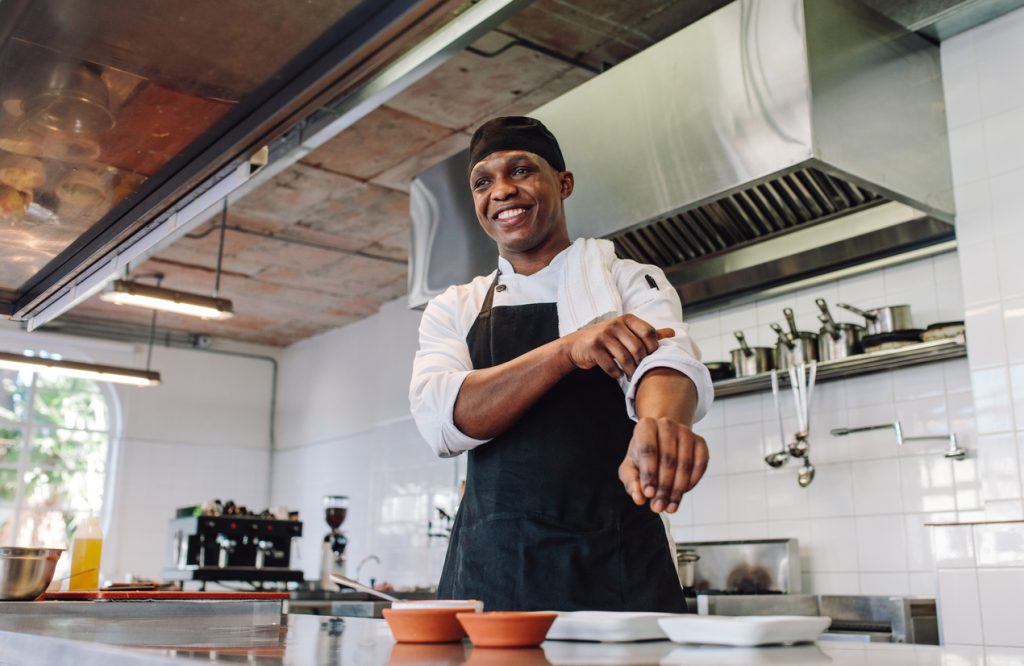
If you’re looking for a low-risk food business to start in 2025, this guide will walk you through how to set up a ghost kitchen in Nigeria and scale it profitably.
What Is a Ghost Kitchen?
A ghost kitchen is a food production facility that only fulfills online orders. You don’t need a restaurant dining space, just a kitchen, menu, packaging, and a delivery strategy. Orders come from platforms like Jumia Food, Glovo, Chowdeck, and WhatsApp.
Why Start This Business in Nigeria?
- Lower overhead costs (no rent for a dining hall or wait staff)
- Flexible operation (run from home or a shared kitchen)
- Boom in food delivery usage, especially in cities like Lagos, Abuja, Ibadan, and Port Harcourt
- Room for niche menus, you can focus on healthy meals, party rice bowls, office lunch packs, or snacks like puff-puff, meat pies, and small chops
What You Need to Start
1. Kitchen Space
You can start from home if you meet hygiene standards, or rent a small space with basic cooking setup.
2. Food Concept
Decide on a specific offering. Examples:
- Affordable lunch bowls
- Breakfast packs
- Event snacks (e.g., samosas, spring rolls)
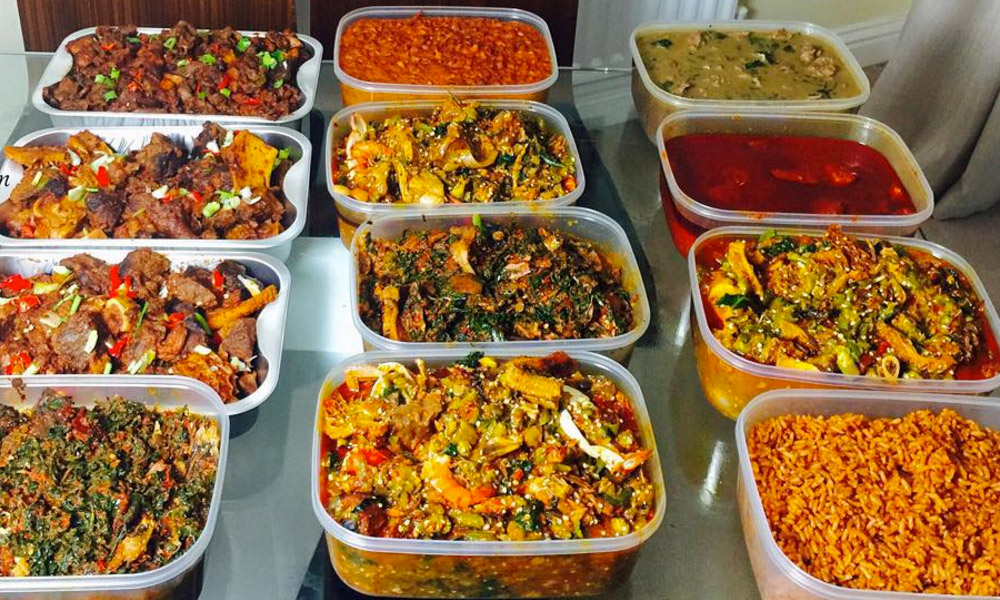
- Local meals (e.g., amala, jollof rice, egusi rice)
3. Equipment
Basic cookware, gas burner, blenders, packaging materials, and if needed, a deep freezer and sealer.
4. Marketing Strategy
Promote your ghost kitchen online:
- Use Instagram and WhatsApp Status for daily menu updates
- Set up a Google Business profile
- Partner with delivery platforms (e.g., FoodCourt, Glovo)
Step-by-Step Setup Plan
✅ Step 1: Register Your Business
- Register your business name with CAC
- Get a food handler’s permit from your local authority if required
✅ Step 2: Design Your Menu
- Start simple (3–5 items) with good pricing
- Offer combo meals and delivery discounts
✅ Step 3: Set Up Online Ordering
- WhatsApp Business (auto replies, catalog)
- Instagram/Facebook Shop
- Linktree for order forms or Google Forms
✅ Step 4: Arrange Delivery
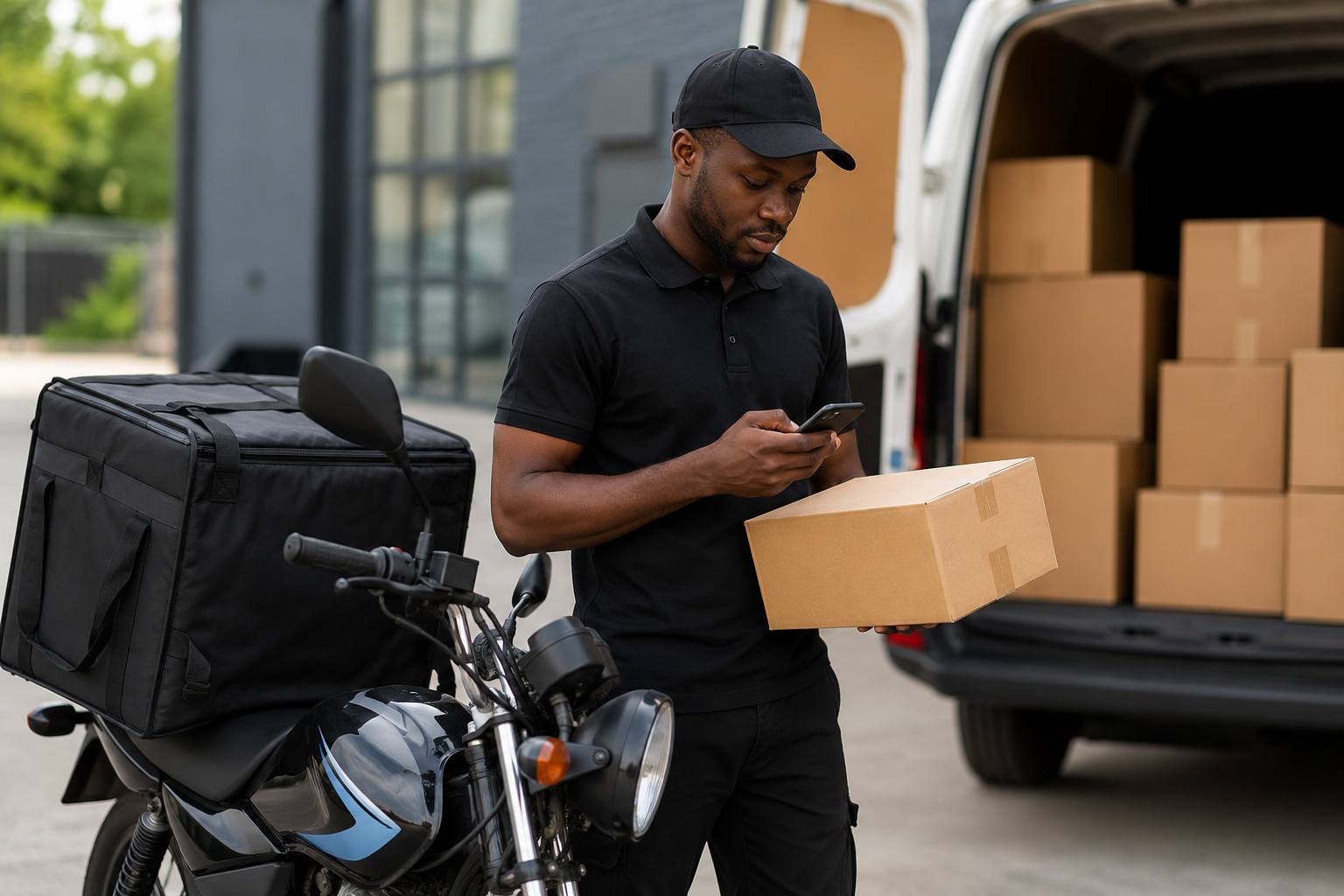
- Partner with bike riders or delivery apps
- Offer timed delivery slots to maintain consistency
How Much Can You Make?
Let’s say you sell 30 lunch packs daily at ₦2,500:
- Daily: ₦75,000
- Weekly (6 days): ₦450,000
- Monthly (24 working days): ₦1.8 million
- Estimated profit margin: 40–50%
You can increase profit by offering subscription-based meals for office workers or families.
Tips for Success
- Maintain food quality and hygiene
- Use branded packaging to look professional
- Create customer loyalty with coupons or loyalty cards
- Collect feedback to improve your menu and service
Final Thoughts
A ghost kitchen business offers a practical way to enter Nigeria’s fast-growing food market without heavy capital. With proper planning, solid branding, and customer focus, you can grow from a home kitchen to a full-scale delivery brand. It’s a perfect fit for aspiring food entrepreneurs looking to earn steady income in 2025.
Are you interested in Ghost Kitchen Business with Small Capital?
GET A COMPLETE GHOST KITCHEN BUSINESS IDEA PACKAGE
CALL / WHATSAPP: +2347062940253, +2349079361531